
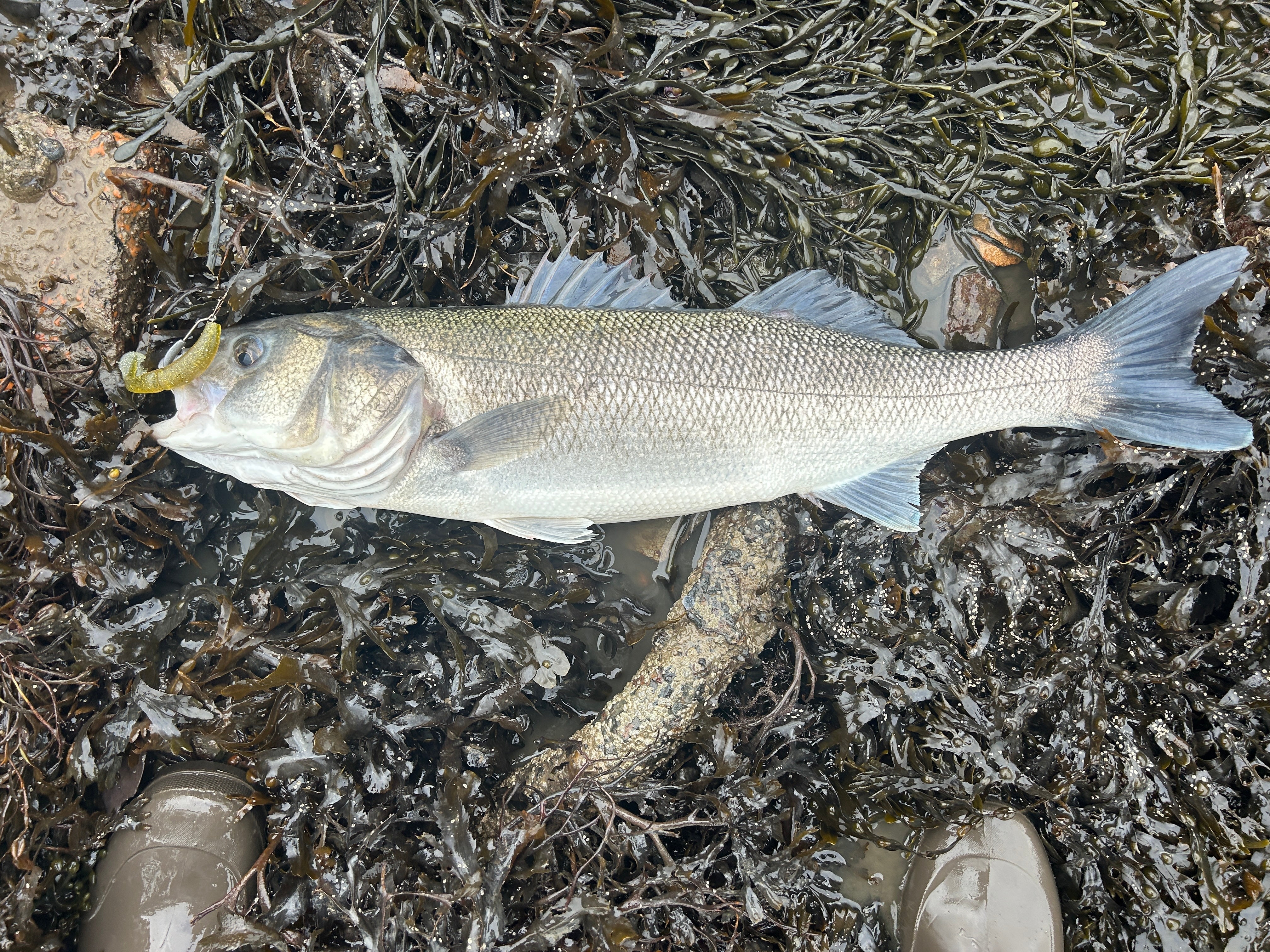
I did not expect to beat the 69cm bass I had caught in May, but a December session produced a 72cm fish and another personal best at the time. Looking back at the two catches gave me plenty to think about, especially how I was presenting the lure.
The 72cm bass is part of my fishing history rather than a claim to my current PB. The session still stands out for what it taught me about paying attention to the drop, not just the retrieve.
A December change in presentation
During that spell of December fishing, small paddletails had produced bass for me, and I had also been using creature baits. But I was not simply dragging every soft plastic along the bottom.
Several takes had come as the lure dropped after the cast. I could not tell whether it was the splash, the initial dive or something else that drew the response. Because it had happened more than once, I began exploring a slight sink-and-draw retrieve.
I would move the lure, then allow it to drop while keeping enough contact to notice a take. Other fish came during those drops or as the lure reached the bottom and the line tightened. That was how the 72cm bass took.
It was an observation from those sessions, not a rule that every winter bass wants the same presentation. Adjust the pause, depth and movement to your own lure, current and seabed.
The 4-inch Cornish Split Shad
We had been making 4-inch Split Shads for our own fishing before offering them more widely. We call this the Locals Lure because it has played such a useful part in our fishing around Cornwall.
The current 4-inch Handmade Cornish Split Shad sets include weighted and weightless options. Check the colour, hook and total rigged weight for your selection rather than assuming every set is identical.
Black and white from other sessions
Black had given us enjoyable summer night sessions in clear water and bright moonlight. The current Black weightless option lets readers compare that colour, without treating the conditions in its option name as a guarantee.

White also had a place in the story. My mate Steve caught a particularly solid 67cm bass on the open coast during an earlier October session. For the current colour selection, see the White weightless set.

The original lure photograph is retained below. Use the current product details to confirm what is supplied with your chosen setup.

Motor Oil and the 72cm bass
For this December catch, it was the turn of Motor Oil. Ian Ingram and Robin Bradley had helped inspire the “Castrol GTX” nickname. They also called our Cornish Snax “Pasty Snax”, a name we love.
The current Motor Oil weightless set selects that colour and setup. The link is a current buying option, not confirmation of every rigging detail used in the original catch.

Comparing the 69cm and 72cm catches
The two bass did not take the same lure. The 69cm fish from May took a creature bait; the 72cm fish took the Cornish Split Shad. If you want to explore that different presentation, compare our current creature bait sets.
I noticed similarities in when I fished around the spring-tide cycle and the new moon. Those observations made me interested in building and falling tidal ranges, but two catches do not establish a best moon phase or show why a bass decided to feed.
My notes for the December session recorded water at 11.5°C, complete cloud cover and air pressure of 1015. These are historical details from that outing, not conditions to seek out as a recipe for repeating it.
Keep records, then test your ideas
I used Tight Lines to help keep records of my fishing. A notebook or another method you enjoy can also be useful. Record the date, tide stage, weather, clarity, lure and retrieve, including blank sessions, so you can compare more than the memorable catches.
Try changing one part of the presentation at a time. In this case, noticing takes on the drop encouraged me to explore that movement more deliberately. Colour may have played a part, but I cannot separate it from the location, conditions and presentation.
Take the lesson into the next session
For me, the useful takeaway is to stay attentive throughout the cast and retrieve, including the pauses. Match the rigging to the water, be alert to snags and keep a safe landing and release plan before you begin.
Check the forecast, tide and access, and do not let a promising pattern tempt you into unsafe conditions. A former PB can remain a special memory without becoming a promise about the next cast. Tight lines from Matt and the crew at Bass Lures UK.
2 comments
Robin Bradley
Fantastic fish Matt. Well done!
Gary Weston
Festive greetings and a big WELL DONE on those silver crackers! Totally agree about the app; it’s got me realising that there are patterns at play when im catching and ( mostly) blanking – I’m in Edinburgh so it’s a 7hour round trip drive to get to my Bassing area in D&Galloway – so noticing patterns are helping me plan my sessions. Great article; lovely stuff!
Tight lines,
GW