
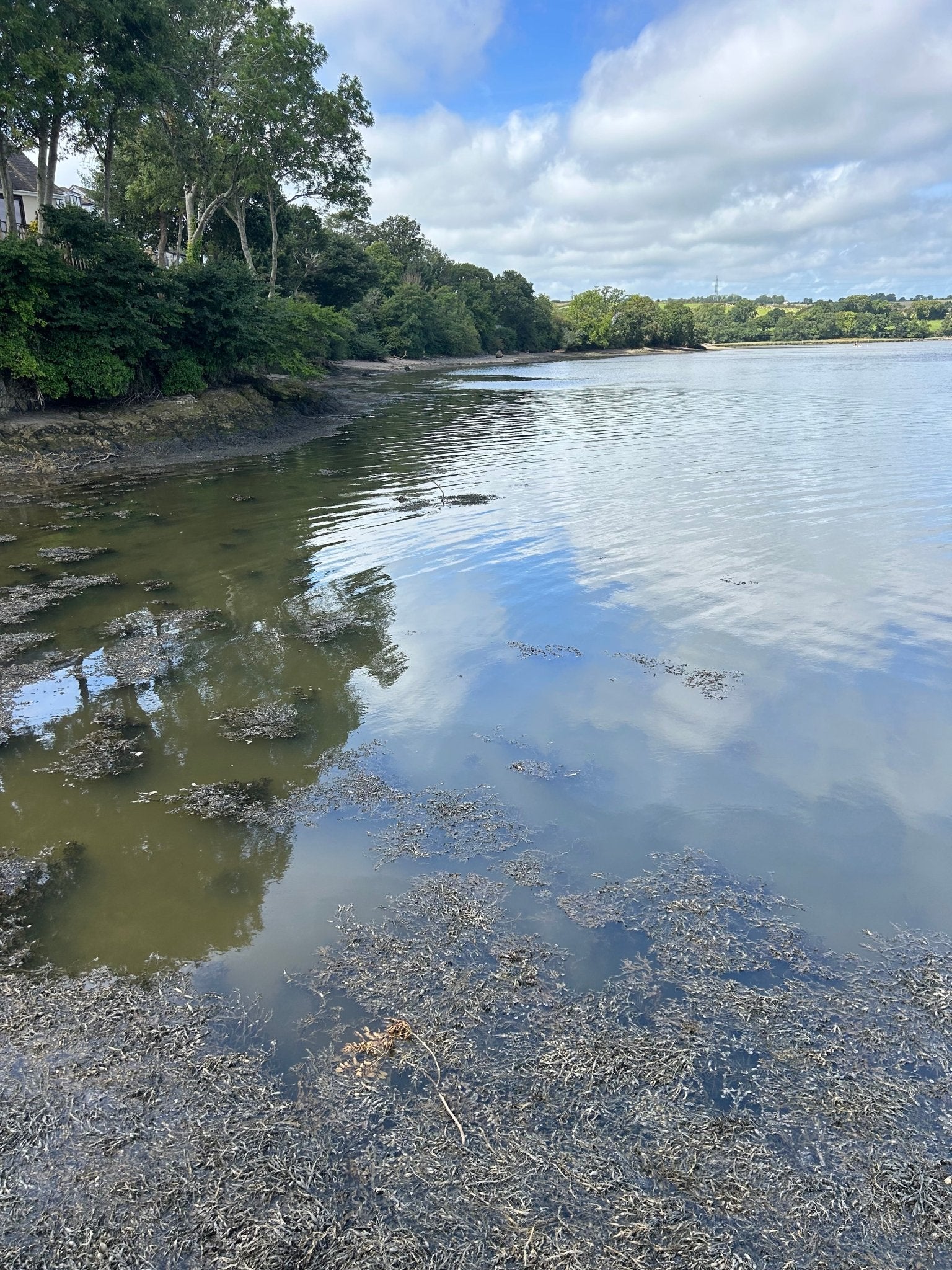
Estuary fishing in Cornwall has given us some memorable bass sessions, along with beautiful sunrises and sunsets. Experimenting with soft plastics has been a big part of that experience.
Choosing lures for your next estuary session? Browse our soft plastic bass lure sets and compare the weighted and weightless options on each product page.
During one run of sessions, many of our bass over 50cm came on soft plastics, while surface lures accounted for smaller fish. That describes those catches, not a size rule: do not assume that a surface lure cannot catch a bigger bass.
Learn the tide at your estuary
We have found outgoing tides productive at our local estuary, but the pattern varies between marks. Rather than following a fixed timetable, compare different stages of the tide when access and conditions are safe.
Keep notes on the tide stage, water clarity, light, lure and retrieve. Include blank sessions too. Over time, your own records will help you decide where and when to spend your fishing time.
Daytime and night-fishing observations
During the period described here, around 70% of our catches came at night and 30% during the day. That made after-dark sessions worth exploring for us, but it does not establish that every estuary fishes better at night.
White, dark and sparkly lures are options to compare. Colour is only part of the presentation, alongside the lure's size, action, depth and the conditions. We would not rely on a rule that one colour must work under a particular moon phase.
Approach quietly and fish the water in front of you
- Try the near water first: work a suitable lure from shore before deciding whether you need to reach farther out.
- Stay observant: watch the water and look for changes in clarity, baitfish activity and flow.
- Vary the presentation: experiment with the retrieve and how your lure moves in the current.
- Move thoughtfully: try another safe position when it makes sense, rather than following a rigid rule about moving every few minutes.
- Prepare your tackle: check knots and organise your lures before fishing, particularly if you plan to stay after dark.
Check forecasts, tide times, access and your route back. Familiar ground, a working headtorch and a companion where possible are sensible foundations for a night session. Do not enter water or follow a fishing pattern simply because it is described in a blog.
Soft plastics for estuary sessions

Soft plastics have worked well for us with weighted and weightless presentations. Browse our current soft-plastic bass lure collection to compare options. Check what each set includes and which rigging options are available.
Ribbed shads
Explore the 4.5-inch and 4-inch ribbed shad sets, checking the selected size and included tackle before ordering.

Soft shad sets
Compare our 18g soft shad bass lure sets as another option for your tackle selection.

Choosing a rod and reel
If you are comparing a complete setup, view the Estuary Rod & Reel Bass Combo. Check the current specifications against the lures you intend to use and the water you plan to fish.

Use these ideas as a starting point, then build your approach around your own estuary, safe conditions and experience. No single tide, colour or lure replaces learning your local marks.