
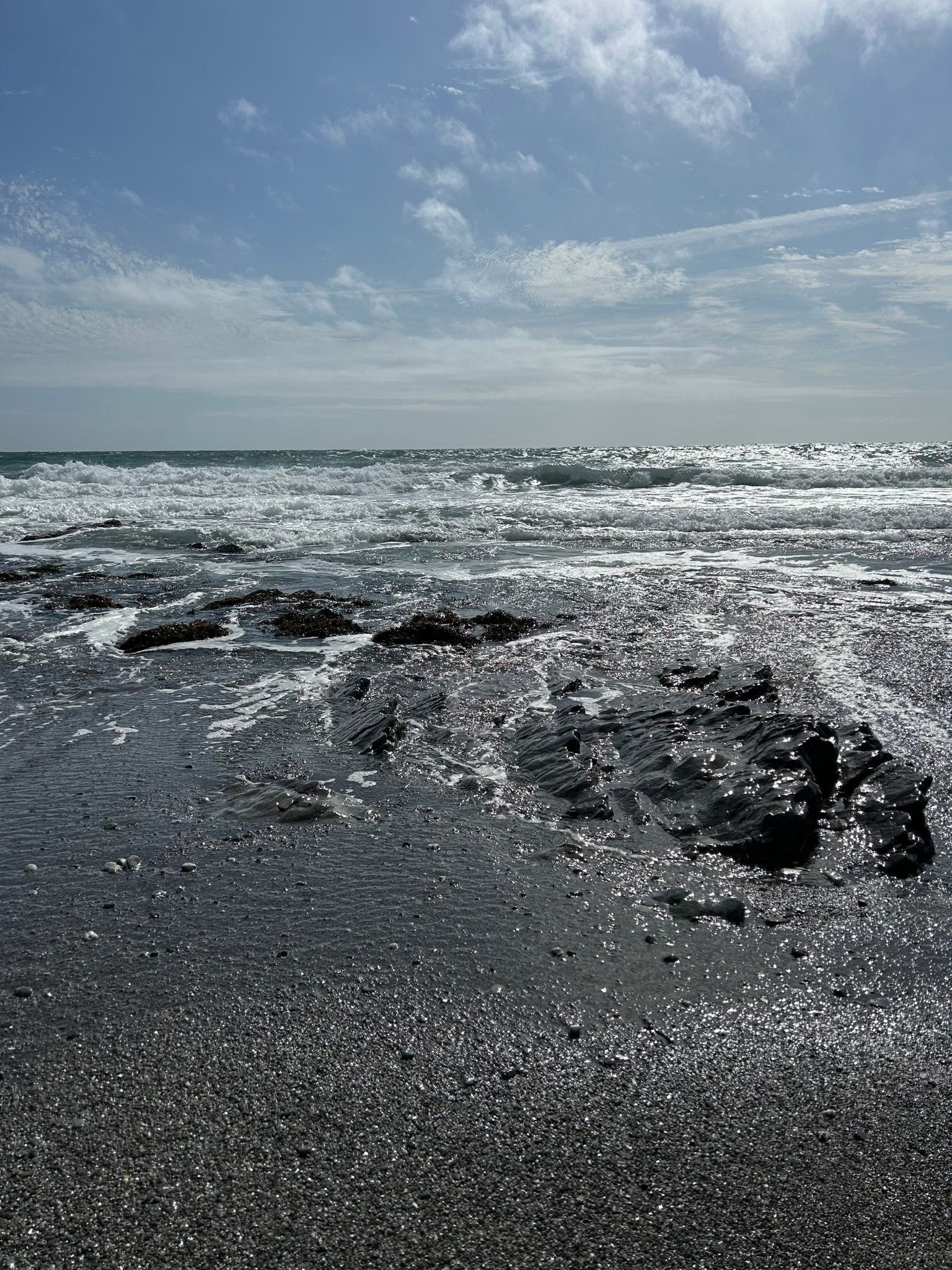
When bass lure fishing is quiet in winter, we often think about how we are presenting the lure before reaching for something new. A slower retrieve, a controlled drop or a pause has sometimes made a difference in our Cornwall sessions.
That is not a claim that bass are present at every mark all year, or that they refuse to chase a moving lure in cold weather. A blank can have several explanations, and slowing down is one option to test rather than a winter rule.
Think about movement, not just speed
Watching small fish around rock pools has often given us ideas about lure presentation. A blenny, goby or rockling may hold close to cover and move only a short distance, suggesting a different approach from a continuous retrieve across open water.
The comparison is useful inspiration, not proof of what a bass wants. Consider where your lure is travelling, how the current moves it and whether you can work it near suitable features without repeatedly snagging.
Our slower retrieve with pauses
At suitable estuary marks and gullies, we have allowed a soft plastic to sink under control, paused, then started a retrieve with changes in pace and occasional drops.
Some of our winter retrieves have taken much longer than a summer cast. We have even described taking several minutes over one retrieve, but that is a recollection of particular sessions, not a target time.
Do not count out a compulsory ten-second retrieve or leave a lure on the bottom for a set duration regardless of the ground. Watch the line, maintain enough contact to notice a take and adjust the movement to the lure, current and depth.
We have had takes while a lure was paused or close to the bottom. That does not establish that it was completely stationary underwater, or that all winter bass are looking only for an easy meal.
A pause should remain a controlled presentation
If you are repeatedly catching weed or snagging, try a shorter pause, a different depth or rigging, or another safe position. Weedless hooks can help around weed but do not make a setup snag-proof.
Do not follow a snagged lure into unsafe water or compromise your footing to retrieve it. Choose a position with a safe exit and a realistic landing and release plan before casting.
Colour and darkness: keep the options open
White has been a useful choice in our winter fishing, but we have also caught on green, black, brown and red. Rather than naming one universal best colour, carry a manageable selection and compare it thoughtfully.
Many of our winter catches in the sessions described here came after dark, including around the new moon. That is a personal observation, not a reason to rule out daylight or plan around a fixed moon phase.
Keep notes on lure, retrieve, tide stage, clarity and weather, including blanks. Over time, that gives you more to work with than remembering only the successful combinations.
Soft plastics to compare
We have used both slim, less actively tailed shapes and paddle-tail shads. Choose according to the movement you want to explore rather than assuming winter requires one type.
For current sizes, weights, rigging and pack contents, check the linked product pages; options may differ from those shown in the photographs below.
5-inch Cornish Snax sets
A slim-profile option to compare for controlled movements and pauses. Check the selected rigging and total weight before matching it to your tackle.

5-inch Cornish Worm sets
Another profile to explore without relying on a broad paddle tail. Compare the current options and learn how your chosen setup moves on the drop.

Creature bait sets
Creature-style shapes give you a different presentation to compare with slim soft plastics. Check the selected profile and pack contents; do not assume every shape or set is rigged the same way.


Weighted Gill Shad: 80mm / 19g
A compact shad to compare when you want a different action and weight. Its size alone does not tell you whether it suits the depth and current at your mark.


Cornish Stick sets
Compare the 6-inch Cornish Stick sets for another stick-style option. Check the product page for current specifications and pack contents, which may differ from the photograph below.

Know when to finish
Check the forecast, swell, tide and access, and dress for the conditions. Carry reliable lighting and a backup for low-light sessions, and use them whenever needed for footing, hooks or navigation.
A longer retrieve is not a reason to stay cold, tired or uncertain about your exit. Quieter periods are also a good opportunity to inspect tackle and plan another session.
Our recommendation is to learn a few soft plastics well, give controlled pauses a fair trial and stay open to changing the approach. Winter fishing does not need a rigid recipe, and the next useful lesson may come from a blank as well as a catch. Tight lines from Bass Lures UK.